

The first time I listened to Trapper Schoepp’s latest album, “Osborne,” I was driving from Macedonia, Ohio, to Traverse City, Michigan, with a long stop in Moline for some emergency auto repairs. It was a long day traveling through unfamiliar country, going from sunshine in the morning to swirling snow in the evening.

The combination of my car breaking down, traffic, and weather made it a somewhat arduous day, which immediately felt like a pleasant stroll on a summer day by a lake compared to the journey described across the 11 songs that make up Osborne. The album tells the story of Trapper’s struggle with addiction and his ongoing efforts at recovery, bouncing from long-dark-night-of-the-soul, to internal and external rage, and ultimately into an exhausted and authentically earned hope.
I knew going in what the album was about, but I was not truly prepared for what Trapper had managed to put together. One of his many gifts is using his earnest midwestern charm and wry sense of humor in combination to make accessible toe-tapping songs about really hard things. There are examples strewn throughout his previous records, such as “What You Do To Her” from his 2019 album “Primetime Illusion,” or “For Jonny,” and “Don’t Go” from 2016’s “Rangers & Valentines.” What I still consider his most perfect song, “Solo Quarantine,” is another example of the combination of wit and sincerity.

This is something of a rare skill. It’s hard to pull off without sounding “cringe” or trite, but Schoepp does it on a regular basis. The master of this was Warren Zevon, and it’s probably no coincidence that Schoepp has covered him previously. From a little bit of a different angle, Kurt Vonnegut is another similar artist, just with books instead of music. That mixture of wit, honesty, and humor, layered over anger and pain, all put together to create something memorable and meaningful. Osborne is truly Trapper Schoepp’s “Life’ll Kill Ya,” or his “God Bless You, Mr. Rosewater.”
That anger and the pain that runs as a current throughout the album is the biggest departure from previous works of Schoepp’s. It has certainly appeared here and there, particularly in his furious cover of “Freight Train,” and the defiant “It Didn’t Take,” but absolutely nothing truly as clench-jawed outwardly furious as “Satan is Real (Satan is a Sackler)” or as inwardly angry as “No Fly List.”
The album’s jumping off point, “Loaded,” tells the story of a doctor who helped Trapper on the path to addiction by supplying the pills. The chorus of “You ain’t gave me nothing but a loaded gun” is catchy and sing-along-able while also being honest about what was happening. It’s the most traditional folk-rock song on the album and the track with the most in common with his previous work. Schoepp has always been good about kicking off his records with strong numbers, from “Cliffs of Dover” back down to “So Long.” It’s upbeat with a great chorus, but also feels like the first steps on a trip through hell and back.

Whereas “Loaded” begins the part of the album dealing with the external realities of addiction, “Wildfire” introduces the internal strife that goes along with it. Its lyrics capture the desperate mania and the attempts to fight it off: “I’m a wildfire and I’m burning out of control.” It’s a very inward-looking and honest song, including the first allusion to suicidal thoughts with the reference to Sylvia Plath. If you’ve ever tried to white-knuckle your way through any kind of recovery, you’ll find something you recognize here. There is an acoustic reprise of the song sung with a harmony that is the most traditional folk part of the album, which highlights the “I’m coming back, out of the red and into the black” portion of the song that, in effect, ends the story the album is telling. Both appearances are effective and moving.
“Three Speed Queen” is the third song on the album and looks back at the roots of the problem. Before becoming a musician, Trapper was a big BMX bike fan and hurt his back while out riding, which directly led to him taking up music, but also to him taking up pills. “Pins and Needles” off his album “Run, Engine, Run” is about the pain that came out of that. This song starts out with Trapper singing in an upbeat manner about getting his bike, full of youthful joy, and as it goes along, the pain and desperation at what happened begins to creep in, both in how he sings and in the music itself, as a small static-y burst of sound creeps into the background, getting progressively more frequent. There is a rawness in his voice at the end that, frankly, makes you want to hug the guy because you can hear the pain in it. It feels like the edge of tears. It ends with a desperate guttural groan that sticks with you after the song ends.
“Mad, Mad, Mad (Sweet Salvation)” begins with a deep breath, which feels like a response to the chaos at the end of “Three Speed Queen.” Singing in an angry near-whisper along to a sinister groove, he tells the tale of the heart of things, speeding along a highway late at night, needles, accidents, and more. It’s a hard song steeped in the feverish, inky black depths of addiction, that sounds perfect when you’re driving through deserted streets at night under the yellow lamp light. Despite the dark lyrics, there’s a sense of coolness to it all, which, along with the double meaning of the word “mad” in the song, really puts on display the duality Trapper is capable of in his music.

The slow, piano-driven ballad of “Kentucky Derby” is a lyrically stream-of-consciousness confession. It drops the mania that peppers the previous tracks but keeps the album’s themes. It has the texture of an ’80s synth ballad, but one where love has been stripped away to highlight the sadness and depression that are unavoidable side effects of dependence. Most of the songs feel like they’re addressing the listener, except this one, which feels like a personal apology to someone. It feels vaguely voyeuristic but also beautiful.
Nothing Trapper has done prior has come close to the rage on display in “Satan is Real (Satan is a Sackler),” the white-hot furious sermon about the Sackler family, who created the opioid crisis in order to line their hell-bound wallets with the souls of millions of Americans. It is a powerful and blistering song about real demons who walk among us, free because of our broken country, and probably one of my two personal favorites on the album. At about the four-minute mark, the lyrics drop away, and we get a blistering jam that is essentially a wordless howl of pent-up rage. It’s the kind of instrumental moment that doesn’t show up anywhere else in his catalogue and is the perfect transition to the back half of the album.
“No Fly List” with its vocal distortion and southern blues rock rhythm is a sister song to “Mad, Mad, Mad,” and pushes the mania to its hilt. It’s rocky, angry, and feels akin to waking up in the middle of the night in a strange bed covered in sweat. It feels like the sound of hitting rock bottom, while displaying that Zevon-esque gallows wit with lines like the Beastie Boys’ word play, “Listen all y’all, self-sabotage.” Bobbing your head to the beat of someone else’s pain is a strange juxtaposition, but Trapper pulls it off with aplomb.

“The Osbournes” is spelled a little bit different from the album title, but still functions as the heart of the story. It’s about Trapper’s trip to rehab and all the heartbreaking honesty that comes with it. It’s a gentle, strumming acoustic song that is akin to “Paris Syndrome” and other quiet tunes, but lyrically, I wonder if it was the hardest song on the album for him to pen. It can’t be easy to admit you’re a “fucking mess” and put it on an album. It’s telling that the lyric that follows “I’m a fucking mess” is “What’s your reaction?” It’s a vulnerable question, and it takes real courage to ask the world.
“Tomorrow’s For Quitting” is a country tune, complete with violin, that addresses the excuses he and others use when they’re trapped in substance abuse, but also what it takes to take those first steps out. “They give you a medal for being a quitter and not going back.” It’s catchy, easy to sing along to, and hopeful. There’s a sunshine and tired smile to it that feels backed by relief and hope.
The final song on the album, probably my favorite, is ska-inflected “Suicide Summer.” Reminiscent of classic Toots and the Maytals ska, it’s a message of hope and encouragement to anyone listening and going through the wringer. He previously had alluded to suicidal ideation in “Wildfire” and puts it on full display here, but with the message, “If I can make it through, so can you.” It’s the kind of message that takes on more meaning when it’s from someone who has been to those depths and found their way back to the light.
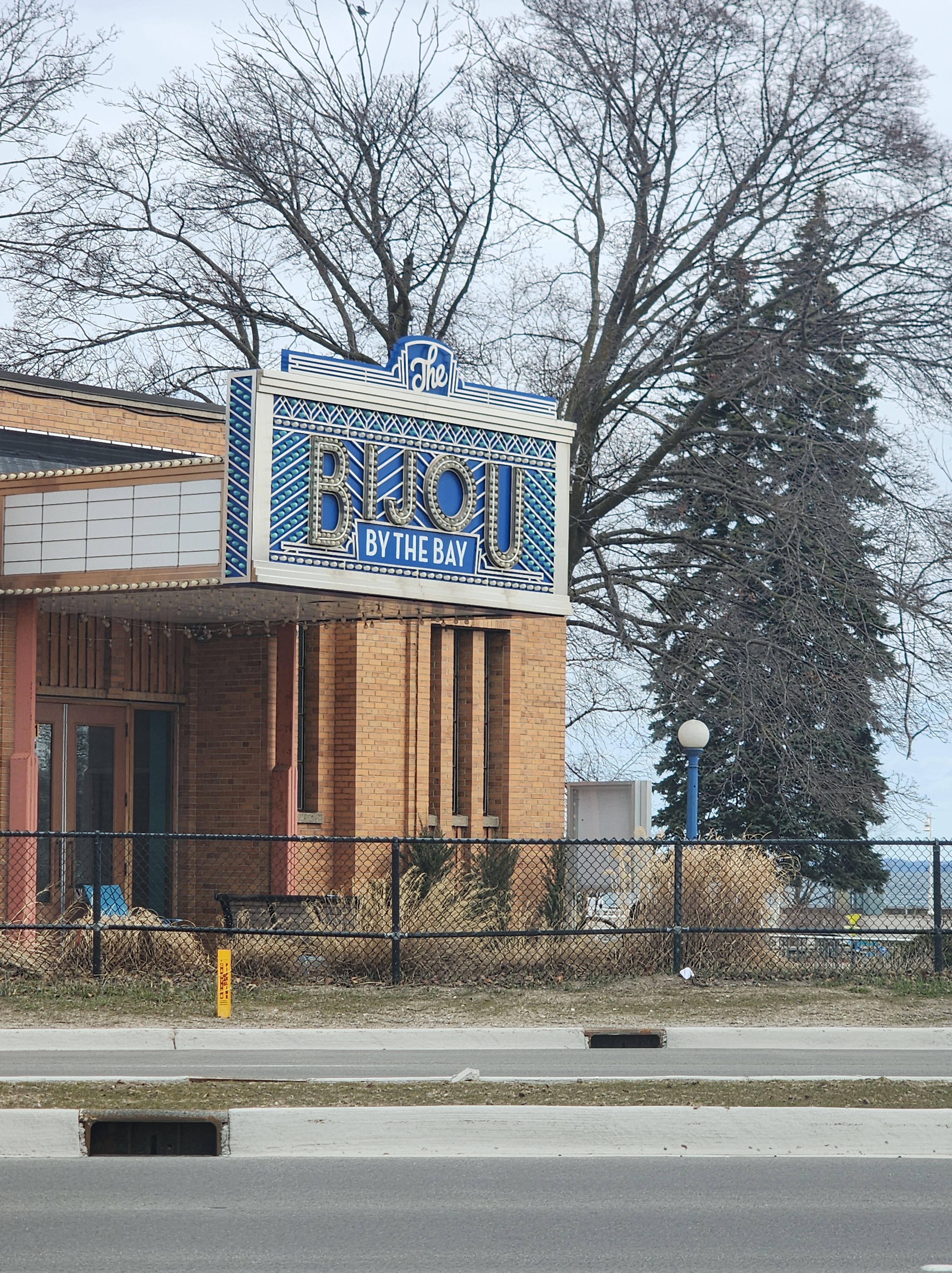
When I got to Traverse City that night, I had listened to the album all the way through four or five times and haven’t been able to get it out of my head since. I do think it’s his best album from start to finish, but particularly when listened to as a whole and not as individual songs. There is a story that he is telling, and as good as each individual chapter is, it only truly makes sense when you put it all together.
It’s an emotionally raw, brutally honest collection of songs that is nonetheless filled with hard tales told by a talented storyteller. Mixed in with the wit and pain is a lot of truth, and truth is the most important ingredient in music that will stay with you. You won’t forget this album for a long time after listening to it.
Warren Zevon would have loved it.
 SHOUTING STREET
Leave a comment